5 Warning Signs You Need AC Repair (And When to Call a Professional)
How to Know When Your Air Conditioner Needs Immediate Attention
Your air conditioner works hard to keep your home comfortable during Texas summers, but like any mechanical system, it eventually shows signs of trouble. Recognizing AC problems early can prevent complete system failures, avoid expensive emergency repairs, and keep your family comfortable when outdoor temperatures soar. The challenge is knowing which warning signs indicate minor issues you can handle yourself versus serious problems requiring professional attention.
At Cutter Air Solutions, we’ve diagnosed and repaired countless air conditioning systems throughout the Hudson Oaks and Fort Worth area. Our certified technicians understand how brutal Texas heat can be, and we know that AC failures never happen at convenient times. That’s why we emphasize helping homeowners recognize warning signs early, before small problems escalate into major breakdowns. With years of experience serving the local community, we’ve built our reputation on honest assessments, quality repairs, and transparent communication. We’ll never recommend unnecessary services, but we will always tell you the truth about your system’s condition. Here are five critical warning signs that mean it’s time to call for professional AC repair.
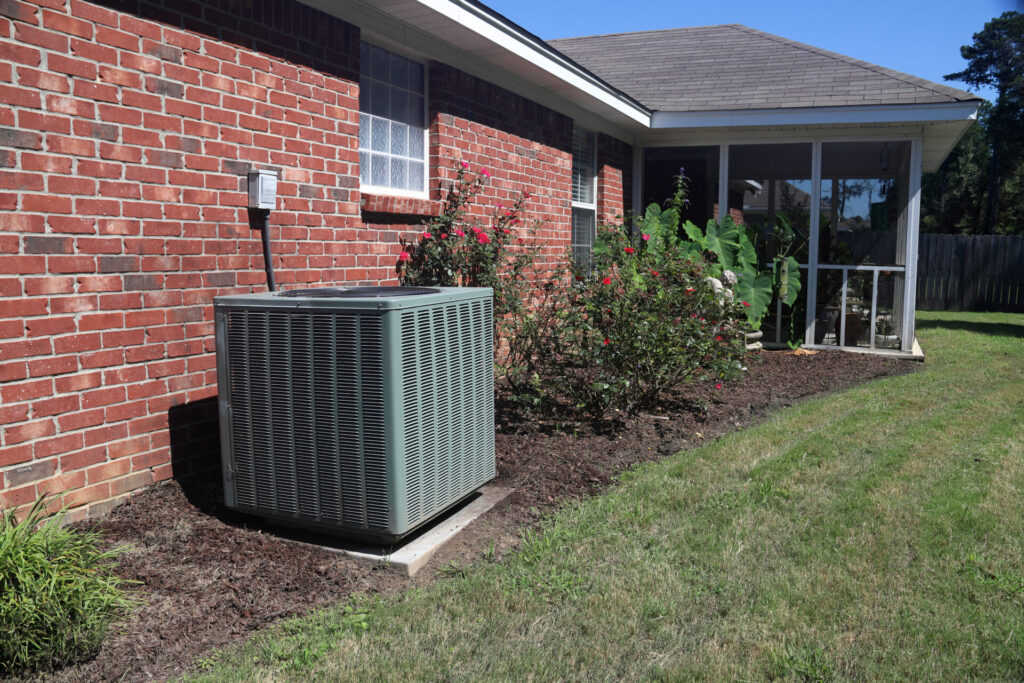
Strange Noises Coming from Your AC Unit
Your air conditioner should run relatively quietly with just a gentle hum. If you’re hearing grinding, squealing, banging, or hissing sounds, something is wrong. Grinding noises often indicate worn bearings in the motor or compressor. Squealing suggests belt problems or issues with the blower motor. Banging or clanking sounds mean loose or broken components are moving around inside the unit.
Hissing sounds are particularly concerning because they typically indicate refrigerant leaks. Refrigerant is essential for cooling your home, and leaks reduce system efficiency while potentially damaging your compressor. Never ignore unusual AC noises, especially in the Fort Worth area where you rely on your system daily during summer months. What starts as a minor irritation can quickly become a complete system failure.
Weak Airflow or Warm Air from Vents
When you set your thermostat to cool, you expect strong, cold air from your vents. Weak airflow suggests problems with your blower fan, clogged filters, or ductwork issues. While checking and replacing your air filter is a simple DIY task you should do monthly, persistent weak airflow after filter replacement requires professional diagnosis.
Warm air blowing from your vents is even more concerning. This could indicate refrigerant problems, compressor failure, or issues with your thermostat. In Hudson Oaks and surrounding areas where summer temperatures regularly exceed 95 degrees, an AC blowing warm air isn’t just uncomfortable, it can be dangerous for vulnerable family members. This warning sign requires immediate professional attention.
Water Leaks or Excessive Moisture Around Your Unit
Air conditioners naturally produce condensation, but you shouldn’t see water pooling around your indoor unit or excessive moisture. Water leaks typically indicate a clogged condensate drain line, a broken condensate pump, or a refrigerant leak causing ice buildup that later melts.
A clogged drain line is relatively minor if caught early, but ignored leaks can cause significant water damage to your home, promote mold growth, and damage your AC system. If you notice moisture problems, turn off your system and call for professional repair to prevent additional damage.
Frequent Cycling or System That Won’t Turn On
Your air conditioner should cycle on and off at regular intervals based on your thermostat settings. Short cycling (turning on and off frequently) indicates problems ranging from thermostat issues to refrigerant leaks, electrical problems, or an oversized system for your home. Short cycling wastes energy, increases wear on components, and fails to properly dehumidify your home.
Conversely, if your AC won’t turn on at all, you might have electrical issues, a failed capacitor, thermostat problems, or compressor failure. Before calling for service, check your thermostat batteries and circuit breaker. If those aren’t the issue, professional diagnosis is necessary.
Unpleasant Odors When AC Runs
Musty odors suggest mold or mildew growing in your ductwork or on your evaporator coil. This isn’t just unpleasant, it’s a health concern. Burning smells indicate electrical problems or overheating components that could pose fire risks. Chemical or sweet odors might signal refrigerant leaks.
Never ignore unusual smells from your AC system. Turn off your unit and contact a professional immediately if you detect burning odors, as these represent potential safety hazards.
Don’t wait for a complete AC breakdown during the hottest part of summer! If you’ve noticed any of these warning signs, contact Cutter Air Solutions today.