
Guide to Air Conditioning Replacement: When to Upgrade
Most homeowners don’t think much about their air conditioning system until it stops working on the hottest day of the year. That moment, standing in a sweltering house waiting for a technician, is when the question finally surfaces: should I keep repairing this system, or is it time to replace it? At Cutter Air Solutions, we’ve helped countless homeowners navigate exactly this decision, and we’re here to make the answer a lot clearer for you.
The average central air conditioning system is built to last between 15 and 20 years, but that number comes with some important context. A system that has been poorly maintained, oversized for the home, or run hard through extreme summers can start losing its edge well before that milestone. According to the U.S. Department of Energy, replacing an aging, inefficient system with a modern high-efficiency unit can reduce cooling costs by 20 to 40 percent. That’s not a small number when you’re looking at summer utility bills.
Understanding when to replace versus when to repair is part science, part financial reasoning, and part knowing what signals to pay attention to. The good news is that your system will usually tell you what it needs if you know how to listen.
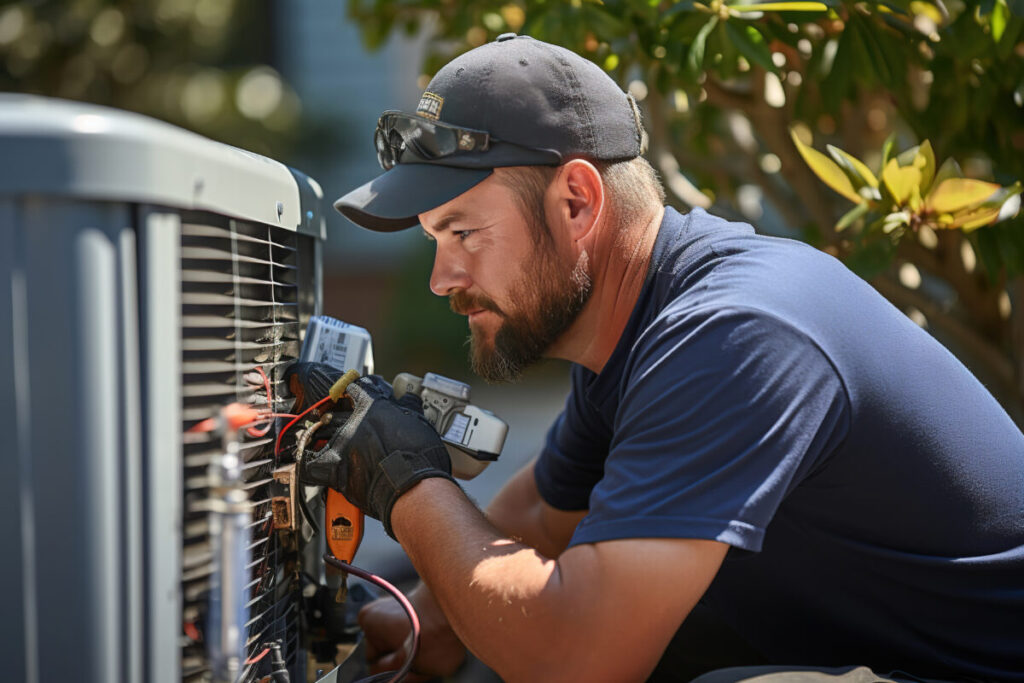
The Signs That Say “It’s Time”
One of the clearest indicators that a replacement is on the horizon is rising energy bills without a corresponding change in your usage habits. When an air conditioning system ages, its components work harder to deliver the same results, drawing more electricity in the process. If your cooling costs have crept up year over year while your home feels less comfortable, the system is likely losing efficiency faster than repairs can compensate for.
Frequent breakdowns are another major signal. There’s a useful rule of thumb in the HVAC industry sometimes called the “5,000 rule”: multiply the age of your system (in years) by the estimated repair cost. If that number exceeds $5,000, a replacement typically makes more financial sense than continuing to patch the existing unit. For example, a 12-year-old system facing a $500 repair clears that threshold easily, but a 12-year-old system facing a $600 repair is right at the edge where a conversation about replacement becomes very worthwhile.
Unusual sounds, frequent cycling on and off, uneven temperatures between rooms, and humidity that never quite feels right are all signs worth paying attention to. These symptoms often point to a system that has simply aged out of its optimal performance range, where no single repair will restore what time has taken away.
Refrigerant Type and What It Means for You
If your system was installed before 2010, there’s a good chance it still runs on R-22 refrigerant, commonly known as Freon. The Environmental Protection Agency phased out R-22 production in 2020 due to its environmental impact, which means the supply is now limited and the cost to recharge a system using it has risen sharply. Homeowners with R-22 systems who face a refrigerant leak are often surprised to discover that the fix can cost several hundred to over a thousand dollars, sometimes more than the repair itself is worth. Modern systems run on R-410A or newer refrigerants that are far more available and far less expensive to service.
What a New System Actually Gets You
The leap in efficiency between a 15-year-old system and a modern one is genuinely significant. Today’s high-efficiency systems carry SEER ratings (Seasonal Energy Efficiency Ratio) of 16, 18, or even higher, compared to older units that often fall in the 8 to 10 range. A higher SEER rating means less electricity consumed for the same amount of cooling. Many new systems also come with variable-speed compressors that adjust output in real time rather than cycling fully on and off, which provides more consistent temperatures, better humidity control, and quieter operation throughout your home.
Beyond efficiency, newer systems offer smart thermostat compatibility, improved air filtration, and often significantly better warranties on both parts and labor. The peace of mind that comes with a new system that won’t need major repairs for years is something homeowners consistently say they undervalued before making the switch.
Making the Decision With Confidence
Replacing an air conditioning system is a real investment, and it deserves a clear-eyed look at your specific situation rather than a one-size-fits-all answer. The age of your current system, its repair history, the efficiency ratings it’s delivering today, and your long-term plans for the home all factor into what makes the most sense for you. A reputable HVAC technician should be able to walk you through an honest assessment, including what continued repairs would cost over the next few years compared to the energy savings and reliability a new system would bring.
The goal isn’t to sell you something you don’t need. It’s to make sure that when the hottest days of summer arrive, your home is comfortable, your system is reliable, and your energy bills reflect a smart long-term choice rather than the accumulated cost of keeping an aging system on life support.
If your system is showing any of the signs discussed here, or if you simply haven’t had it evaluated in a few years, now is a great time to get a professional perspective before the season demands more from it than it can give. Contact us today to get started with your upgrade!